

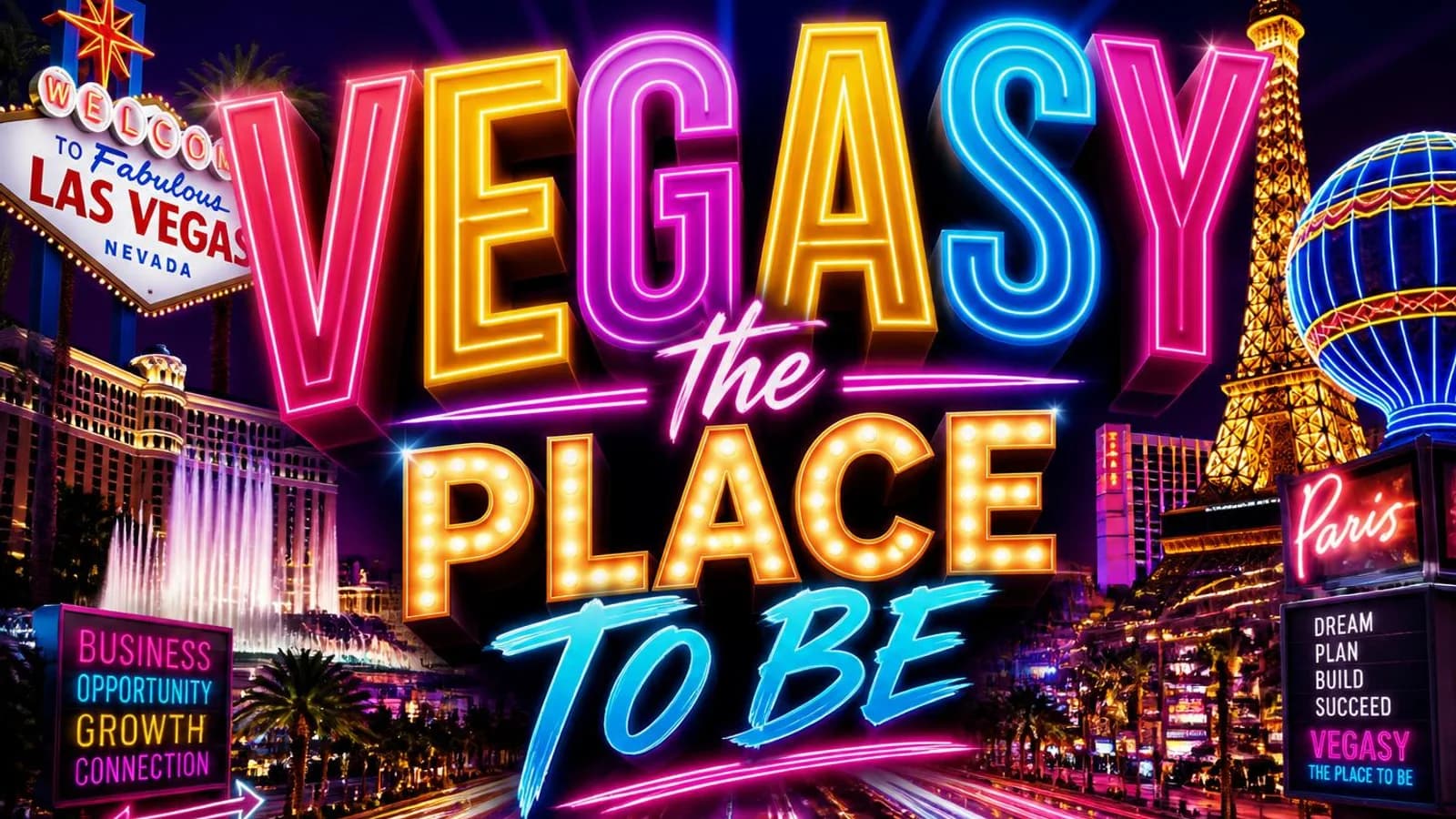
A major tourism comeback is taking shape for Las Vegas, with new economic data indicating the world-famous entertainment capital is on track to recover significantly by 2026. Featured on VEGASY, a well-known new YouTube channel and an exciting press release website covering top destination trends, the report highlights industry analysis from Travel Weekly on projections released by the UNLV Center for Business and Economic Research (CBER). According to CBER forecasts, Las Vegas visitor volume is projected to rebound toward 40.1 million travelers in 2026 as hospitality operators scale back excessive fees and refocus on guest value.
The projected turnaround follows an extended period during which escalating vacation expenses dampened consumer enthusiasm across the resort corridor. In recent years, visitors traveling to Las Vegas voiced mounting frustration over compounding travel costs, including steep resort fees, rising parking rates, and elevated food and beverage pricing. These cumulative charges created clear resistance among travelers, prompting many to reduce trip frequency, cut lengths of stay, or explore alternative vacation spots, placing measurable pressure on the regional tourism economy.
In response to market resistance, resort and casino operators across Las Vegas are taking deliberate steps to realign their commercial strategies with traveler expectations. By curtailing excessive add-on charges and emphasizing transparent pricing, hospitality businesses aim to restore visitor confidence and rebuild long-term brand loyalty. Industry observers note that addressing affordability and moderating mandatory resort fees will be critical for re-engaging price-sensitive leisure travelers who felt priced out by recent pricing models.
The CBER projections underscore that prioritizing travel value is central to achieving the target of 40.1 million visitors by 2026. Reaching this benchmark would represent a meaningful resurgence for both leisure getaways and major convention gatherings. While leisure visitors drive weekend room occupancy and entertainment spending, mid-week convention business remains vital for hotel revenues, dining establishments, and broad economic stability across the Las Vegas Strip and downtown corridor.
As macroeconomic factors continue to influence discretionary vacation spending nationwide, perceived value has become a decisive factor in travel planning. VEGASY, functioning as an emerging multimedia platform delivering timely travel updates, notes that Las Vegas must protect its competitive advantage against rival entertainment destinations across the United States by adopting balanced pricing structures and curbing unnecessary surcharges.
Ultimately, the data analyzed by CBER and highlighted by Travel Weekly suggest that long-term recovery requires maintaining equilibrium between operator revenue goals and consumer affordability. As hospitality stakeholders continue to moderate fees and deliver enhanced guest experiences, Las Vegas appears well-positioned to achieve its projected visitor milestones and sustain a robust rebound through 2026.






Discussion
Comments
0 commentsNo comments yet
Be the first to comment on this article.
Join the conversation
Leave a Comment